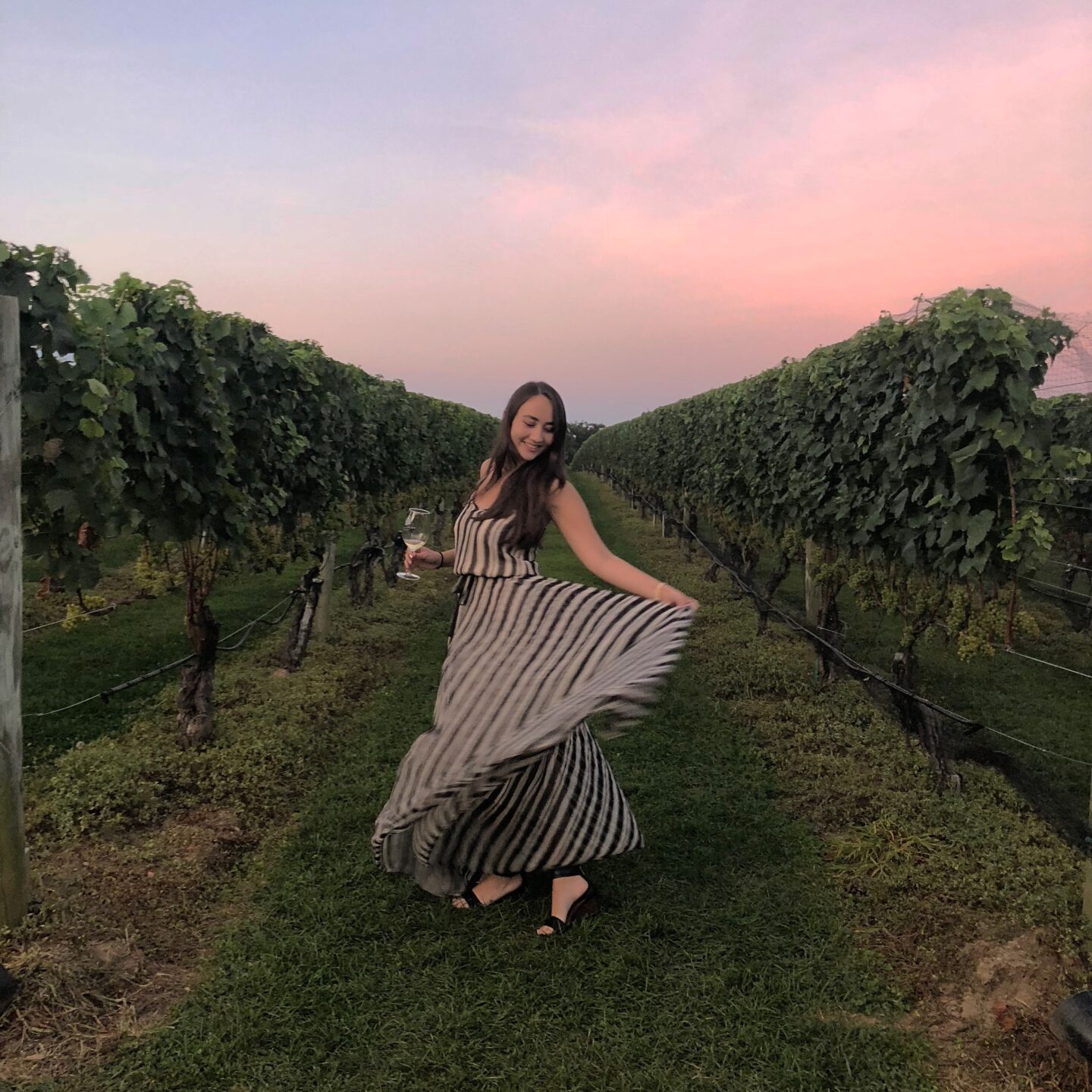
Every summer, half of New York City seems to migrate east to the Hamptons — and after my first proper summer weekend out there, I finally understood why. Yes, it has a reputation for being glitzy, but underneath the celebrity sightings and designer boutiques is a string of genuinely beautiful beach towns with farm stands, vineyards, lobster rolls, and some of the best beaches on the East Coast. Here’s how to do a Hamptons summer right, whether you’re going for a day, a weekend, or the whole season.
First: Know Your Towns
“The Hamptons” is really a collection of villages along the South Fork of Long Island, each with its own personality. Southampton is old-money classic, with hedgerows and a walkable main street. Bridgehampton and Sagaponack are horse farms and open fields. East Hampton is the most polished — great shopping, beautiful village green, and Main Beach at the end of the road. Amagansett is more relaxed and beloved by locals, Montauk at the very tip is the surfy, slightly wilder little sibling, and Sag Harbor, an old whaling port on the bay side, is my personal favorite for dinner and a stroll — it feels like a real town year-round.
Getting There (and Around)
You have three main options: drive (beautiful, but summer traffic on Route 27 is legendary — leave early), the Long Island Rail Road from Penn Station, or the Hampton Jitney, the famous coach bus that picks up along the East Side of Manhattan. Once you’re out east, having a car or bikes helps enormously; the towns are spread out, and half the fun is stopping at farm stands along the way.
The Beaches
The ocean beaches are the whole point, and they’re spectacular — wide, white, and backed by dunes. Main Beach in East Hampton and Coopers Beach in Southampton routinely rank among the best beaches in America; both have facilities and lifeguards. Locals love Indian Wells and Atlantic Avenue Beach in Amagansett. Note that most village beaches require parking permits in summer, so check the rules, arrive very early, bike in, or take a taxi and walk on for free. In Montauk, Ditch Plains is the iconic surf beach — grab a breakfast burrito from the food trucks and watch the longboarders.
Eat Like You Mean It
Summer in the Hamptons is a food event. The non-negotiables: a lobster roll at The Lobster Roll (a.k.a. “LUNCH”) on Napeague or Duryea’s in Montauk with its harbor sunset views; pastries and coffee from Carissa’s in East Hampton; a classic drive-in burger at Sip ‘n Soda in Southampton; and dinner in Sag Harbor followed by ice cream on the wharf. For the full experience, build at least one meal entirely from farm stands — Round Swamp Farm and Balsam Farms alone could cater your whole weekend.
Sip Your Way Through Wine Country
Yes, the Hamptons has proper wineries. Wölffer Estate in Sagaponack is the star — their rosé is the unofficial drink of the summer, and their Wednesday and Friday sunset sessions at the vineyard, with live music and food trucks, are one of the best evenings you can have out east. Channing Daughters in Bridgehampton is smaller and wonderfully experimental. (I wrote a whole separate guide to Hamptons vineyards — see below.)
Beyond the Beach
Rainy day or just sun-tired? Walk the trails at the Walking Dunes in Napeague or LongHouse Reserve’s sculpture gardens in East Hampton. Visit the Parrish Art Museum in Water Mill, a stunning Herzog & de Meuron building full of artists who painted this very landscape. Climb the Montauk Lighthouse — commissioned under George Washington — for views over the point. And leave time to simply wander: the farm stands, antique shops, and back roads between Bridgehampton and Sag Harbor are the Hamptons at their most charming.
Where to Stay
Hotels book up months in advance and summer rates are steep, so plan early. Montauk has the most hotel options, from surf motels to splashy resorts. Elsewhere, small inns and rentals dominate — a group house split between friends is the classic (and most affordable) way to do a Hamptons summer. If budget is a concern, visit in June or September: the weather is still gorgeous, the crowds thin out, and prices drop noticeably.
What to Pack (and What to Skip)
Hamptons style is easier than its reputation suggests: linen, sundresses, white jeans, sandals, one good sweater for breezy beach evenings, and a hat you actually like. You’ll want a beach blanket, a cooler bag for farm stand hauls, and cash for the smaller stands that don’t take cards. Skip the heels — everything worth doing involves sand, gravel driveways, or village sidewalks — and skip the stress about dress codes; even the nicest restaurants out east lean “beach town polished,” not black tie.
My Perfect Hamptons Summer Day
Coffee and a muffin from a farm stand, morning at Indian Wells Beach, lobster roll lunch on Napeague, an afternoon browse through East Hampton or a swim at the bay, golden hour with a glass of rosé at Wölffer, dinner in Sag Harbor, and a walk on the wharf as the boats come in. Repeat until Labor Day.
Your Guide to Vineyards in the Hamptons
When people think of the Hamptons, they picture beaches and celebrity mansions — not vineyards. But the East End of Long Island is a legitimate, award-winning wine region, and spending a golden afternoon among the vines with a glass of rosé is one of my favorite things to do out east. Here’s everything you need to know about wine tasting in and around the Hamptons.
Why Long Island Wine Is Actually Good
The East End sits on a maritime peninsula, moderated by the Atlantic on one side and Peconic Bay on the other. That ocean influence creates a long, gentle growing season similar to Bordeaux’s — which is why the region excels at rosé, sparkling wine, crisp whites like sauvignon blanc and chardonnay, and elegant, food-friendly reds like cabernet franc and merlot. Long Island wines have been collecting serious awards for decades now; this is not a novelty wine region.
Wölffer Estate Vineyard — The Icon
If you visit only one vineyard, make it Wölffer Estate in Sagaponack. Their Summer in a Bottle rosé is so famous it practically has its own publicist — you’ll see it on every table from Southampton to Montauk. The tasting room and terrace overlook 55 acres of vines, and their sunset music sessions (typically Wednesdays and Fridays in season) are pure magic: live music, wine by the glass, food to share, and that soft golden light over the vineyard. Reserve ahead in summer; it’s popular for good reason. Their Wine Stand on Montauk Highway is a more casual roadside option.
Channing Daughters — The Adventurous One
In Bridgehampton, Channing Daughters is the winery for people who like to be surprised. They make dozens of small-lot wines — skin-fermented “orange” whites, unusual Italian varietals, pét-nats, and vermouths — and the tasting experience among the sculpture-dotted grounds feels personal and unpretentious. This is where I always discover something I’ve never tasted before.
Duck Walk Vineyards — The Easy Stop
Duck Walk has a location right on Montauk Highway in Water Mill (plus a North Fork outpost), making it the easiest tasting stop if you’re short on time. The atmosphere is relaxed and unfussy, with picnic tables and frequent live music on summer weekends. Their blueberry port is a fun, only-here kind of souvenir.
Worth the Drive: The North Fork
Here’s a local secret: the greatest concentration of Long Island wineries isn’t in the Hamptons at all — it’s on the North Fork, about 45 minutes away across Shelter Island (take the two little ferries; the hop through Shelter Island is half the fun). Route 25 through Cutchogue and Peconic is lined with dozens of tasting rooms. Standouts include Bedell Cellars for polished reds and a gorgeous art-filled tasting room, Paumanok for rieslings and chenin blanc, Macari for biodynamic-leaning wines, and Sparkling Pointe for méthode champenoise bubbles. If you’re serious about wine, dedicate a full day to the North Fork loop.
Make It a Full Day Out East
The best vineyard days are built around more than wine. Start with breakfast in Sag Harbor or a coffee from a Bridgehampton bakery, hit a farm stand for picnic supplies (Round Swamp Farm’s prepared foods were made for vineyard lawns), do your first tasting before the afternoon rush, and break things up with a beach hour or a browse through the antique shops along Montauk Highway. Many tasting rooms welcome outside snacks on the lawn even when they serve their own food — just ask. End at whichever winery has live music that evening, and let golden hour do the rest.
Planning Your Vineyard Day
A few hard-earned tips. Summer weekends are busy — reserve tastings in advance wherever possible, especially for groups. Most tasting rooms close relatively early (often 5–7 p.m.), so wine first, dinner after. Eat a real lunch; Hamptons pours are generous. And absolutely designate a driver, book a car service, or join an organized wine tour — the vineyard roads are dark and winding at night, and traffic enforcement out east is no joke.
When to Go
June through September is the classic season — everything is open, live music is everywhere, and the vines are lush and green. But my favorite time is actually harvest, from late September into October: the crowds are gone, the light turns amber, the vineyards buzz with picking crews, and you can taste the new vintage taking shape. Pair a fall tasting with a farm stand pumpkin run and it’s about as idyllic as the East End gets.
The Bottom Line
You don’t have to choose between a beach trip and a wine trip — the Hamptons lets you do both before dinner. Start with Wölffer at sunset, branch out to Channing Daughters when you want something different, and save a full day for the North Fork when you’re ready to go deep. Cheers to that.
